Skin Concerns
Acne
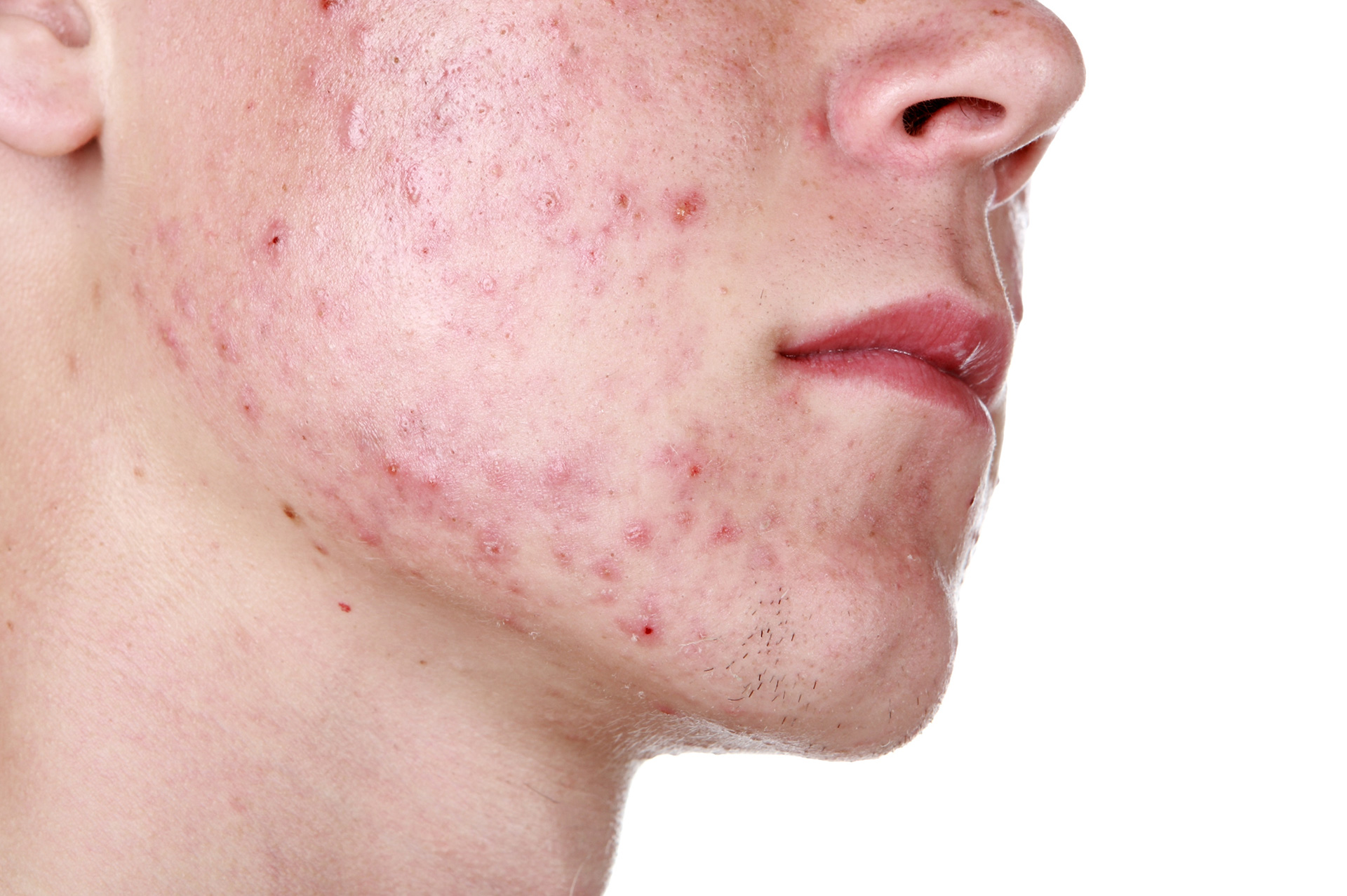
Acne is one of the most common conditions of the skin and can occur in any age group, although tends to be common in the teenage years. Almost everyone has had a few lesions in their lifetime but for some acne can be severe and leave behind unwanted scarring.
A skin check will be performed by the physician to determine the degree of acne and the appropriate treatment.
What causes acne?
Acne is a chronic inflammatory condition of the pilosebaceous unit which consists of a hair follicle and sebaceous gland. There are four main abnormalities that occur within this unit that result in acne: follicular hyperkeratinization, increased sebum productions, cutibacterium acnes, and host inflammatory response.
Treatment options:
There are many available treatments for acne including topical agents, oral agents, light therapy and injections. Book a consultation with one of our physicians for a skin assessment and to review treatment options that will be right for you.
Topical treatments:
There are numerous topical agents (creams, gels etc.) available for the treatment of mild acne. Retinoids, benzyl peroxide and antibiotics are just some of the common ingredients in topical agents to help heal acne lesions and prevent recurrence.
– Blue-U
BLU-U, Blue Light Photodynamic Therapy, is an excellent non-drug therapy for acne. This FDA approved treatment is a very special light that helps to kill the p. acnes bacteria in your skin. Treatments are simple and effective requiring only for you to sit with your face close to the blue light for 15 minutes. Book a consultation today with our physician to see if BLU-U is right for you.
– Injections
If you have an acne cyst and you have a big event on the horizon like prom, your wedding, etc., a cortisone injection is a way to quickly reduce swelling and heal the lesion. Cortisone can dramatically reduce inflammation and hasten healing.
Oral treatments:
For more severe acne, oral medications such as oral isotretinoin may be recommended. Some of the brand names of Isotretinoin medication include Accutane, Clarus and Epuris. You can think of Isotretinoin as a large dose of Vitamin A. Isotretinoin works by shrinking the oil glands that lead to acne. Isotretinoin is extremely effective in not only treating acne but also in preventing recurrence. Duration of treatment is variable but is typically 6 months. If you decide to initiate oral Isotretinoin therapy with your doctor, you will need to undergo monthly bloodwork to monitor for adverse effects and female patients will be required to be on two forms of reliable birth control during therapy.
Side effects of Isotretinoin
1. Dryness of skin, lips, eyes, mouth and nose are some of the most common side effects of Isotretinoin therapy
2. Increased triglycerides in blood – Triglycerides are a type of fat in your blood. Having a small increase in triglycerides is generally not concerning but if your triglyceride levels are very high it can increase the risk of something called pancreatitis. Pancreatitis is a painful condition resulting from inflammation of the pancreas. Usually the increase in triglycerides in your blood is temporary while you are on Isotretinoin and almost always reverts back to normal after you stop the medication. Blood work is done monthly to monitor your triglyceride levels to make sure they don’t go too high.
3. Liver problems – this is a very rare side effect. Bloodwork is done monthly to monitor your liver.
4. Birth defects – Isotretinoin can lead to very severe birth defects. For this reason, females taking this medication MUST be using two effective methods of birth control while on Isotretinoin and for at least one month afterwards.
5. Mild muscle/joint aches – this is a fairly common side effect but typically resolves after about 6 weeks without discontinuation of the medication
6. Increase in depression/suicidal Ideation – It is not known for sure if Accutane causes increase in depression or suicidal thinking but if you have a history of depression or suicidal ideation then you should talk to your doctor before starting this medication.
7. Increased sun sensitivity – make sure to use sunscreen
8. Inflammatory bowel disease – this is incredibly rare. If you have a history of inflammatory bowel disease or notice changes in your bowel movements, report it to your doctor.
Other rare side effects include abdominal discomfort, nausea/vomiting, headaches, fatigue, temporary hair loss, rashes and dizziness, among others. While on Isotretinoin therapy you are advised to not undergo any procedures on the skin including waxing, laser treatments, peels / microdermabrasion, piercings, electrolysis, and tattooing. Talk to your doctor before pursuing any skin treatments while on therapy.